

When a Friend Dies Suddenly: Daragh Fleming on the Reality of Suicide Grief

_01cdc0af63a8f7375d40c1475f867c4f97949b31dd40ded8.jpg&w=128&q=75)


Suicide grief is unlike any other form of loss.
It arrives without warning, without preparation, and without the gentle anticipations that sometimes accompany illness or old age. It is a grief filled with shock, confusion, guilt, unanswered questions and a silence that can swallow families whole.
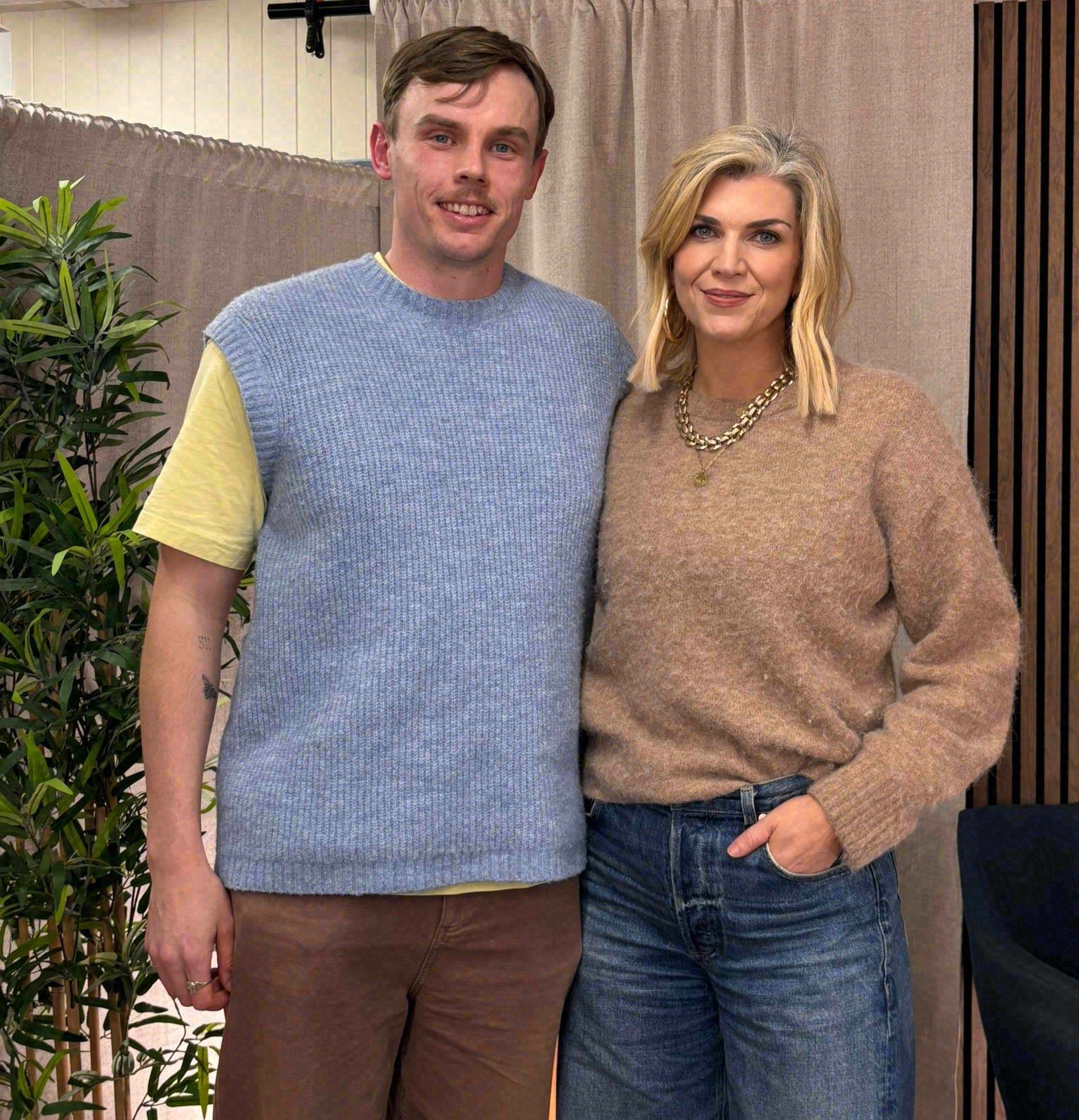
In Episode Four of Parting Words, writer and poet Daragh Fleming sits with Muireann O’Connell to speak openly about this kind of grief, the kind that reshapes a life in an instant.
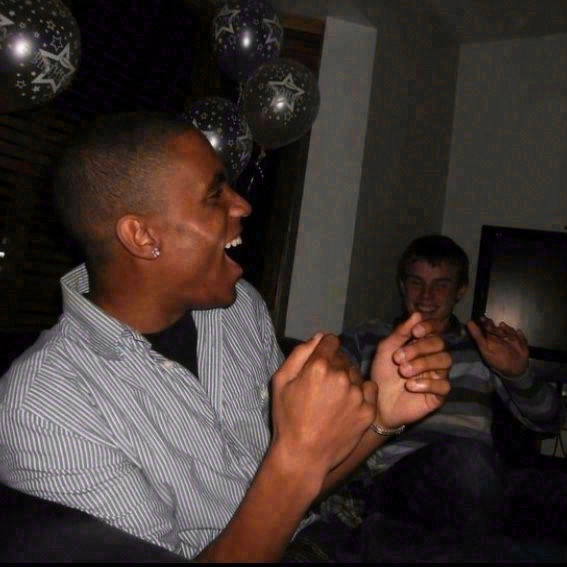
Daragh was 17 when his best friend, Erbie Underwood, died after attempting to take his own life. The two had grown up together through basketball, forming the kind of friendship that becomes a defining part of who you are. When Erbie died, Daragh’s world did not just change; it collapsed.

The Shock That Never Leaves
Daragh describes the moment he learned the truth. He arrived at the hospital with friends, expecting to visit Erbie as he recovered, and was instead led into a quiet room where Erbie’s mother told them he was gone. It is a moment that many families affected by suicide will recognise: the suddenness, the disbelief, the sense that the world has tilted off its axis.
Suicide grief often begins with shock, but it rarely ends there.
The Questions That Have No Answers
One of the most painful aspects of suicide loss is the search for meaning in something that cannot be explained. Daragh speaks about the guilt he carried for years, including the small, ordinary moment when he turned down a lunch invitation from Erbie on the day of the attempt he would not survive.
It is a detail that will resonate deeply with anyone who has lost someone to suicide. The mind clings to tiny moments, replaying them endlessly, as if the right combination of memories might unlock an answer. But suicide grief rarely offers answers. It offers only love, longing and the slow work of acceptance.
The Silence Around Suicide, Especially for Young Men
Daragh also speaks about how invisible Erbie’s struggle was. “He was really good at acting,” he says. “I had no idea he was struggling.”
This silence is something many families know too well. Young men, in particular, are often taught to hide their pain, to stay composed, to keep going. That silence can be dangerous. And for those left behind, it can deepen the grief, adding layers of confusion and self-blame.
By speaking openly about this silence, Daragh helps dismantle the stigma that still surrounds suicide loss.
When Grief Becomes Numbness
For Daragh, grief did not look like tears or sadness. It became four years of emotional numbness, a complete absence of feeling that he did not yet understand as depression.
“I was not sad. I was not happy. I was not anything,” he says.
This, too, is part of suicide grief. It can flatten a person, hollow them out, leave them moving through life without connection or colour. It is a grief that affects the body as much as the mind.
Finding a Way Back Through Words
Daragh eventually found his way back to emotion through writing. Journaling became a lifeline, and poetry became the tool that helped him relearn how to feel. Today, his poems often go viral for their honesty and vulnerability, resonating with people who recognise their own unspoken feelings in his words.
His voice matters because he names what so many people experience but struggle to articulate.
Why This Episode Matters
Suicide grief is often carried quietly. Families may feel isolated, unsure how to talk about what happened, or afraid of saying the wrong thing. But silence does not protect us. It only deepens the pain.
This episode of Parting Words is an invitation to break that silence.
It reminds us that talking about suicide does not cause harm. Not talking about it does.
It reminds us that guilt is common, but it is not a burden anyone should carry alone. It reminds us that numbness is not failure; it is a response to trauma. And it reminds us that love does not end when a life ends.
Daragh’s story is not just about loss. It is about the courage it takes to speak, to feel again, and to honour someone’s memory by telling the truth.
You can watch Episode Four on YouTube or listen on all major podcast platforms.
If you or someone you love has been affected by suicide, support is available. You can reach out to the Samaritans for confidential emotional support at any time, or connect with HUGG, a peer support organisation for people bereaved by suicide. You do not have to carry this alone, and speaking to someone who understands can make a real difference.
_01cdc0af63a8f7375d40c1475f867c4f97949b31dd40ded8.jpg)
_b652fec082c29d117ce53cb7b59464fc103de7228f5d6c2c.png&w=3840&q=75)

_13ffaa5d3e627856fb70a253bef7802b352c5071262398d4.png&w=3840&q=75)
Memorial Gift Shop
View All
Hand-carved Celtic Wall Hangings
Hand-carved in Ireland, each wooden piece has its own unique & poignant significance.
Mounted Prints
Mounted original design prints, inspired by the early Irish Celtic illuminated manuscript, The Book of Kells.

RIP.ie Sympathy Flowers
Convey your deepest sympathies and honour a cherished life with RIP.ie Sympathy Flowers.