

Concerns for Children After a Death: What Parents Should Know


It is absolutely natural for parents and caregivers to feel concerned in the months following a death, especially regarding children’s reactions. Parents often wonder what is “normal” and what signs they should look for as they try to protect and help their children cope with such a life-changing event.
Understanding How Children Grieve
Remember that everyone, including children, grieves in their own individual way. There is no blueprint for grief. Children often move in and out of grief: at times they may seem light-hearted and enjoying life, then suddenly feel overwhelmed with sadness.
Providing children with structure and routine is essential. This sense of normality helps counterbalance the upheaval caused by the death. Returning to regular bedtimes and mealtimes can ease anxiety, a very common emotion in bereaved children. Anxiety may focus on their own health but more often centers on their parents, especially if one parent has died. It makes sense: if one parent is gone, fear about losing the remaining parent can follow.
Children need extra reassurance about what will stay the same as well as what has changed. Bedtime is often when they seek the comfort of a parent’s presence. School also provides stability, so close communication with teachers can be very helpful.
Behavioral Changes After a Death
Consider the huge upheaval a significant death causes for a child. In the immediate aftermath and in the months that follow, some regression to more babyish behavior may occur. A child may need extra reassurance and closeness. Adults change after a death, and while children grieve differently than adults, they do grieve, so their behavior will also change for a time.
Signs That May Require Follow-Up
While most changes are temporary, some behaviors, if persistent several months after the death, may need professional support:
- A child who, four or five months later, has completely withdrawn from their peer group.
- A complete change in behavior, becoming aggressive or confrontational.
- Significant changes in eating habits or major sleep difficulties.
- An inability to mention or tolerate any conversation about the person who died.
- Disabling anxiety about their own health or someone close to them.
- School refusal.
These behaviors occur in only a small percentage of children. With skilled intervention, they can cope. The vast majority of children miss the person who died, but with understanding, affection, support, and clear explanations, they will survive this life-changing event and grow into well-functioning adults.

_0b2ae4f40667049250e20c7352cf9f3482cdbe66ebbf5029.png&w=3840&q=75)

Memorial Gift Shop
View All
RIP.ie Candles
Whether given as a gift or lit in memory, this candle serves as a beautiful tribute to those who are gone but never forgotten.

RIP.ie Care Package
Sometimes words fall short. These thoughtfully curated boxes are a gentle way to send sympathy, comfort, and a caring embrace when it matters most.
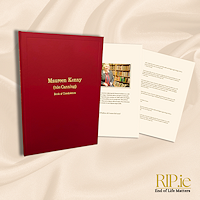
Condolence Books - Printed and Bound
Creating a printed hardbound book of online messages of condolence can be a meaningful way to preserve and honour the memories of a loved one.