
Digital Legacy: What Happens to Social Media When Someone Dies?


_22acbdf5fa650f2e65469b5e1b97e2eae7fe7f98f813b8a1.png&w=1920&q=75)
Social media is a highly influential aspect of our daily lives. Online accounts and digital data play an important part in our legacy. When someone passes away, families often find themselves unsure of how to manage the digital assets of the deceased. From precious photos and videos to personal messages, the digital footprint left behind can be both meaningful and complicated. Understanding how major platforms handle the accounts of deceased users can help families make informed decisions and preserve memories respectfully.
What Digital Legacy Means
These days, so much of who we are and how we interact is now captured in the digital world. A digital legacy includes all the content associated with a person's online accounts. This can range from social media profiles to photos, emails, and cloud-stored documents. Managing a digital legacy ensures that memories are preserved, privacy is respected, and accounts are handled according to the wishes of the deceased. It also helps prevent unauthorised access or misuse of personal information after death, providing clarity and peace of mind for bereaved family members.
Major Platform Policies
Accounts can be memorised or permanently deleted. Memorialisation freezes the account while preserving posts, photos, and messages. Users also have the option to designate a “legacy contact” to their account. This contact can manage the account, including posting tributes and responding to friend requests, while being unable to read private messages or unfriend pre-existing friends.
Instagram accounts can be memorialised or deleted permanently. Verified family members must provide proof of death to request a change. Instagram does not allow for legacy contacts, so including instructions in a will is recommended for access.
TikTok
TikTok does not offer any form of memorialisation. Family or legal representatives can request account deactivation and deletion with proof of death, or deletion can be done directly if login details are available. Accounts that have been inactive for 180 days may have usernames changed, but previously posted videos remain visible.
- Google: Offers an Inactive Account Manager to designate access or deletion. Family members can request closure or, in some cases, content access.
- Apple: Users can assign a Legacy Contract for a trusted person to have access after death. Without one, family members need legal documents, such as a death certificate, to request access or deletion.
- Microsoft: Family members can close an account if they know the credentials. Otherwise, accounts are automatically closed after two years of inactivity.
- Yahoo: Family members can request account closure, suspension of billing or premium services, and, in certain cases, access to account content. Yahoo cannot provide passwords or transfer accounts, as all accounts are non-transferable
Authorised family members or executors can request profile removal with legal documentation. Otherwise, they can report a deceased member, prompting LinkedIn to memorialise the profile.
X/Twitter
For X, a family member or authorized person can ask to deactivate a deceased user’s account. You’ll need to provide information about the person, your ID, and their death certificate. X does not give anyone access to the account.
Practical Steps for Families
Start by gathering account details such as usernames, emails, and platform information. Submit requests according to each platform's process, including providing necessary legal documents. Download important photos, messages, or files where possible to preserve memories. Throughout, respect the deceased's privacy and wishes, and consult platform guidelines or legal advisors if needed.
Planning
Including digital legacy instructions in your will is increasingly recommended. This can specify how your social media accounts, emails, and online content should be handled, who should have access, and what should be preserved or deleted, helping your family to manage these matters easily and respectfully.
Digital legacies are an essential part of modern life. Planning ahead and understanding platform policies ensures your digital memories are preserved while respecting your privacy and wishes.



Memorial Gift Shop
View All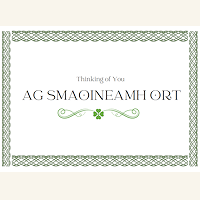
RIP.ie Sympathy cards
Thoughtfully penned Sympathy Cards. Designed and printed in Ireland by RIP.ie.

Easter Blessings Card
Celebrate hope, renewal and faith. A meaningful way to remind someone they are in your thoughts during this special time of year. Designed and printed in Ireland by RIP.ie.
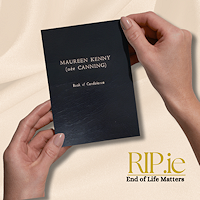
Mini Condolence Books - Printed and Bound
Creating a soft paperback book of online messages of condolence can be a meaningful way to preserve and honour the memories of a loved one.