



Planning your own funeral might sound unusual, but it’s becoming more common — and for good reason. Many people are choosing to take control of their farewell, not out of morbidity, but to bring clarity, reduce stress for loved ones, and ensure the day reflects who they truly are.
Whether you go it alone, work with a funeral director, or use a dedicated service like mine, here’s how to start planning a meaningful, personal send-off.
1. Decide on the Tone and Format
Would you prefer a:
- Traditional religious funeral
- Civil ceremony
- Celebration of life
Think about the setting: indoors or outdoors? Quiet and reflective, or full of music and stories? Once you’ve chosen the tone, the rest of the planning becomes easier.
2. Consider the Practicalities
Ask yourself:
- Do you want a wake?
- Should it be held at home or in a venue?
- Would you like an open casket?
- Is there a specific funeral director you’d like involved?
These decisions are incredibly helpful for your family to know in advance.
3. Choose Locations for Each Part of the Day
Think about where you’d like:
- The ceremony to take place (church, civil venue, etc.)
- Your final resting place (burial or cremation)
- The gathering afterwards (hotel, pub, home)
Each element can be tailored to your preferences.
4. Add Personal Touches
This is where your personality can shine:
- Favourite songs, singers, or readings
- A colour theme or dress code
- Personal tributes or a more low-key approach
These details make the service feel unmistakably “you.”
5. Plan the Food and Format of the Gathering
After the ceremony, what kind of gathering would you like?
- Tea and sandwiches
- A pub lunch
- A seated three-course meal
- Canapés and champagne
There’s no wrong answer — just what feels right for you.
6. Document Your Wishes Clearly
Don’t rely on memory or casual conversations. Write down your plan in a way that’s easy to find and understand:
- A formal document
- A letter to your next of kin
- A note held with your solicitor
Most importantly, let your loved ones know you’ve made a plan — and where to find it.
7. Consider Payment and Costs
Would you like to:
- Pre-pay for any part of the funeral or gathering?
- Set aside funds?
- Leave it to your family to cover costs?
If you’ve made financial arrangements (e.g. a funeral plan or savings), make sure the details are recorded and accessible. This helps avoid confusion and unexpected expenses.
Final Thoughts
Planning your own funeral is one of the kindest and most empowering things you can do — for yourself and the people you love. As I often say to my clients through The Funeral Planner, a beautiful, personal farewell isn’t just possible — it can be straightforward, stress-free, and even comforting to plan.


Memorial Gift Shop
View All
RIP.ie Sympathy cards
Thoughtfully penned Sympathy Cards. Designed and printed in Ireland by RIP.ie.

Hand-carved Celtic Wall Hangings
Hand-carved in Ireland, each wooden piece has its own unique & poignant significance.
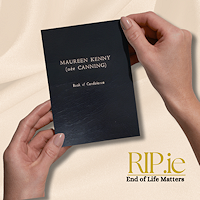
Mini Condolence Books - Printed and Bound
Creating a soft paperback book of online messages of condolence can be a meaningful way to preserve and honour the memories of a loved one.