
What Ireland Really Thinks About Funerals, And What That Says About Us

_01cdc0af63a8f7375d40c1475f867c4f97949b31dd40ded8.jpg&w=128&q=75)


For twenty years, RIP.ie has been a place where Irish people gather in moments of loss, solidarity, and remembrance. In marking this anniversary, we wanted to pause and listen, really listen, to what people across the country feel about funerals, grief, and the rituals that shape how we say goodbye.
More than 3,300 people responded to our nationwide survey, sharing not just opinions but memories, frustrations, hopes, and deeply personal reflections. What emerged is a portrait of a country that is changing but still rooted in tradition, a people who value honesty, connection, and the right to honour their loved ones in their own words.
A clear message on eulogies: let families speak
One finding stood out above all others: 92 percent of adults in Ireland believe every family should have the right to deliver a eulogy at a funeral mass. In Munster, that figure rose to 95 percent. For an issue that has caused tension in some dioceses, the public sentiment is unmistakable. Families want, and need, the chance to speak.
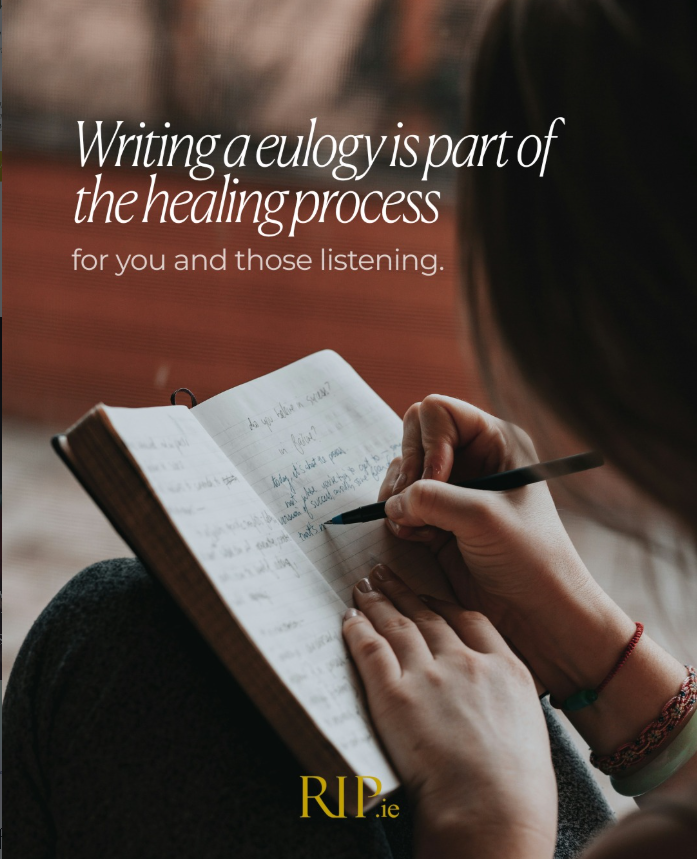
As one of the strongest majorities in the entire survey, this result reflects something deeper than preference. It speaks to the Irish instinct to honour our dead through story, humour, memory, and truth. And while respondents were clear that eulogies should be short, most favouring under ten minutes, the principle matters more than the timing. People want space to say goodbye in their own voice.
Funerals as celebration, but tradition still holds its place
Ireland’s relationship with funerals is evolving but not abandoning its roots. Eighty‑three percent believe a funeral should be a celebration of life. Yet almost one in five still prefer a more traditional, sombre approach, with a similar number saying black should always be worn. In Tipperary, those traditional instincts are even stronger.
This duality is part of who we are. We laugh through tears. We honour the old ways while making room for the new. We gather for three days, a rhythm 84 percent of people say feels “about right”, and we show up for one another in numbers that would be unthinkable elsewhere. Kerry people, for example, attend the most funerals in the country, averaging more than six in the past year.
Grief is becoming more open, but not for everyone
One of the most striking tensions in the survey lies in how we talk about grief. Ninety‑one percent believe Ireland is becoming more open about death and loss. Yet when asked whether grief is still considered a private matter, the country split almost exactly down the middle: 52 percent said yes and 48 percent said no.
This tells us something important. While many feel freer to speak about grief, others still carry it quietly. The shift is happening, but unevenly. And that is why spaces of compassion, community, and conversation matter more than ever.
What we believe, and what we wonder
Ireland’s spiritual landscape is changing but belief remains a powerful thread. Sixty‑five percent believe in Heaven, 52 percent in an afterlife for the soul, and 14 percent in reincarnation. Only 16 percent believe in Hell, the same number who believe in none of the listed afterlife options. And yes, 12 percent believe in ghosts.
These numbers do not just reflect theology. They reflect curiosity, comfort, and the enduring human need to make sense of loss.
Music, memory, and the moments that stay with us
When we asked people to share their most memorable funeral moments, the responses were extraordinary, tender, funny, surprising, and deeply Irish. Music featured again and again:
My father was a fisherman, and the Lonesome Boatman was played graveside. It was so touching, a very special moment.
Highway to Hell played as the coffin left the church. The parish priest played it for his close friend.”
The local school choir sang Always Look on the Bright Side of Life. The laughter and joy reverberated around the church.
These stories remind us that funerals are not just rituals. They are acts of love. They are the final gift we give someone, shaped by who they were and how they lived.
Parting Words, and the conversations Ireland is ready for
As part of our twentieth anniversary, RIP.ie launched Parting Words, a new podcast hosted by Muireann O Connell. The conversations in Season One echo many of the themes uncovered in this survey. Guests speak openly about love, loss, and the lessons grief has carved into their lives. They talk about the moments that broke them and the moments that carried them, and they do so with the honesty and humour that feel unmistakably Irish.
In a country where people are becoming more willing to talk about death, but where many still feel grief is private, Parting Words offers something rare. It gives people permission to speak. It shows that grief is not a weakness and that remembering someone out loud can be a powerful act of healing. The podcast is already becoming a companion for those who are grieving and a gentle guide for those who want to understand grief better.
Supporting people through grief
The survey makes one thing clear. People want support, understanding, and connection when they are grieving. They want traditions that anchor them, and they want space to express their loss in ways that feel personal and true. At RIP.ie, we see this every day in the condolence messages left by neighbours, friends, and strangers who simply want to offer comfort.
Our role has always been to support families at one of the hardest moments of their lives. That support now extends beyond notices and condolences. It includes resources on grief, guidance on planning, and initiatives like RIP.ie Remembers, which invites people to walk in memory of someone they love. It includes the stories shared in Parting Words, and the community that forms quietly around each episode.
Grief will always be deeply personal, but it does not have to be solitary. The more we talk about it, the more we understand it, and the more we can support one another through it.
A country that shows up
Perhaps the most powerful message from this survey is that funerals still matter deeply to Irish people. Wakes, months minds, graveside gatherings, 95 percent say these traditions remain important. In an age of fast communication and fragmented communities, the Irish funeral endures as one of the last places where neighbours, friends, and extended family still come together in person.
It is a testament to who we are: a people who show up, who stand together, who believe that every life deserves to be marked and remembered.
Looking ahead
As RIP.ie enters its third decade, these findings will help guide our work, from supporting families in grief to shaping national conversations about how we honour the dead. They also remind us that while customs may evolve, the heart of the Irish funeral remains unchanged: community, compassion, and the simple act of being there.
In listening to thousands of voices across the country, one truth became clear. How we say goodbye says everything about how we live. And in Ireland, we still choose to live, and grieve, together.
_01cdc0af63a8f7375d40c1475f867c4f97949b31dd40ded8.jpg)


_afd65a5fdc78f08f114c6eda9d99531877b2ca780d1f35e6.png&w=3840&q=75)
Memorial Gift Shop
View All
Religious & Spiritual
Holy Water Fonts, Crucifixes, Spiritual Wall Hangings & Celtic Art Pieces

RIP.ie Care Package
Sometimes words fall short. These thoughtfully curated boxes are a gentle way to send sympathy, comfort, and a caring embrace when it matters most.
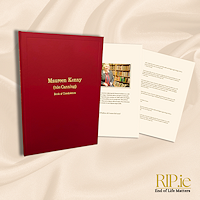
Condolence Books - Printed and Bound
Creating a printed hardbound book of online messages of condolence can be a meaningful way to preserve and honour the memories of a loved one.